US–Iran Conflict: Economy & Personal Finance

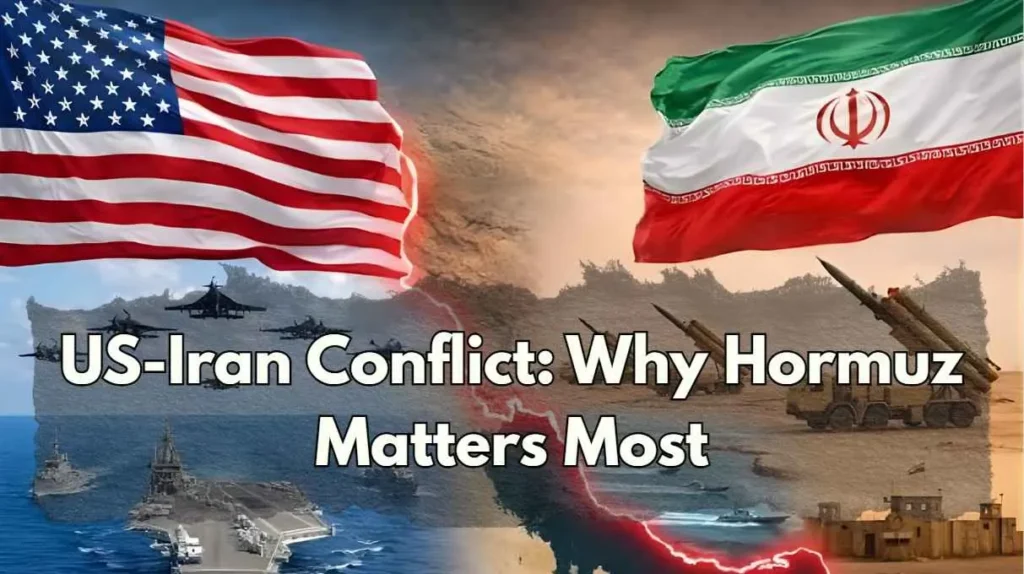
Geopolitical conflicts rarely stay confined to borders. When tensions rise between the United States and Iran, the consequences extend far beyond military strategy — they penetrate oil markets, inflation trajectories, currency stability, and household budgets worldwide.
The current escalation around Iran’s strategic infrastructure and threats to the Strait of Hormuz has revived a familiar global concern: energy security. Since nearly one-fifth of the world’s crude oil supply flows through this narrow maritime passage, even the perception of disruption causes global markets to react aggressively.
This is not merely a regional issue — it is a macroeconomic shock amplifier.
I. The Global Economic Transmission Mechanism
To understand the real impact, we must examine how geopolitical tension translates into economic stress.
1️⃣ Oil as the Primary Shock Channel
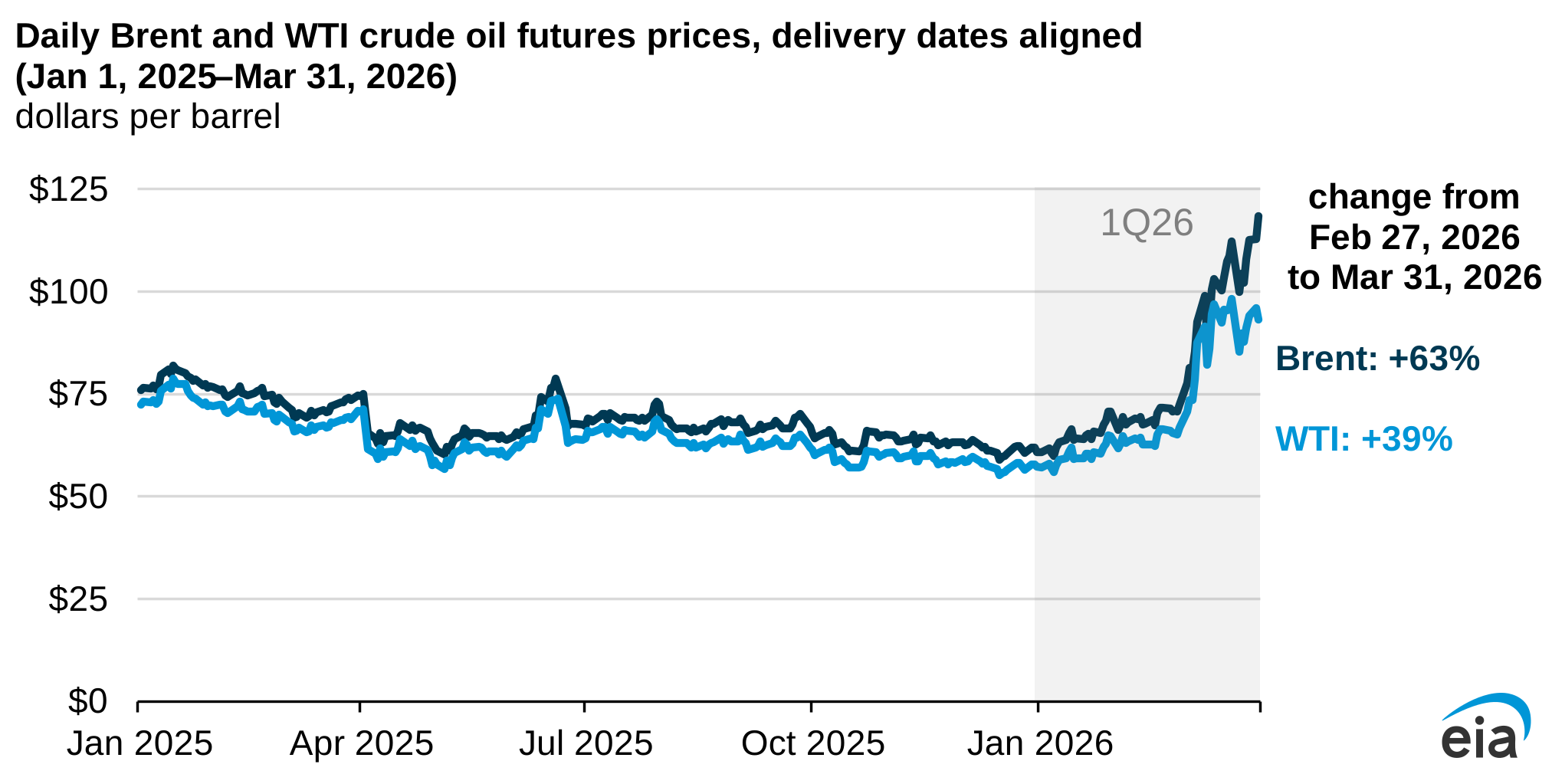
Global benchmark prices such as Brent Crude act as the first transmission mechanism.
When conflict risk increases:
- Shipping insurance costs surge
- Supply expectations tighten
- Speculative demand rises
- Strategic reserves discussions intensify
Even without actual supply cuts, risk premium pricing alone can drive oil up sharply.
Why Oil Matters More Than Ever
Oil is not just fuel — it affects:
- Transportation
- Fertilizers
- Plastics & petrochemicals
- Manufacturing input costs
- Aviation and logistics
- Food distribution chains
A sustained $10–20 increase per barrel can:
- Add 0.3–0.6% to global inflation
- Reduce global GDP growth by 0.2–0.4%
- Force central banks to maintain higher interest rates longer
This creates a dangerous mix: slower growth + higher inflation (stagflation risk).
2️⃣ Inflation Persistence and Monetary Policy Stress
When oil-driven inflation rises, central banks face a dilemma:
- Cut rates → risk currency depreciation & inflation
- Hold or raise rates → risk growth slowdown
In advanced economies, this may delay rate cuts.
In emerging markets, it creates currency vulnerability.
Higher energy prices feed into:
- Core inflation
- Wage demands
- Consumer expectations
And inflation psychology is harder to reverse than inflation itself.
3️⃣ Capital Flow Volatility

During geopolitical stress:
- Investors shift toward US Treasuries
- Gold prices rally
- Emerging markets face capital outflows
This strengthens the US dollar and weakens emerging market currencies — including India’s rupee.
II. Impact on the Indian Economy — A Structural Vulnerability
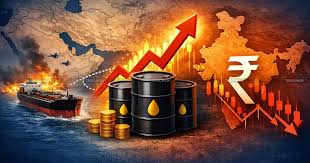
India’s situation is unique. It is a high-growth economy but structurally dependent on imported energy.
1️⃣ Oil Import Dependency
India imports roughly 85–90% of its crude oil requirement.
When oil rises:
- Import bill expands
- Current Account Deficit widens
- Fiscal pressure increases (if fuel taxes are cut)
Higher oil prices can add billions of dollars to India’s annual import burden.
2️⃣ Inflationary Pressures
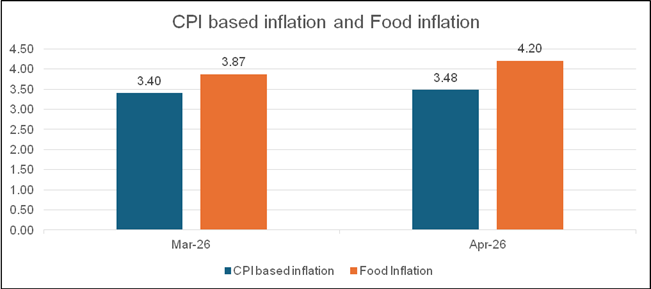
Fuel is a direct and indirect inflation driver in India.
Higher crude prices mean:
- Costlier petrol and diesel
- Increased freight rates
- Higher food prices (transport + fertilizers)
- Rising manufacturing costs
This complicates policy decisions for the Reserve Bank of India, which must balance growth support with inflation control.
If inflation rises above comfort levels:
- Rate cuts may be delayed
- Borrowing costs remain elevated
- Housing and business credit slows
3️⃣ Rupee Depreciation Risk
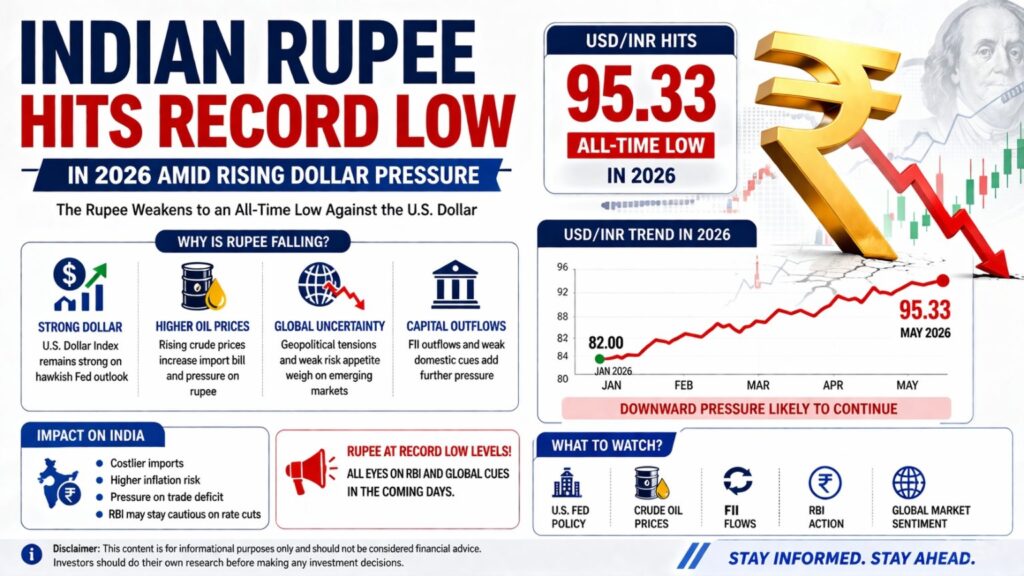
Geopolitical stress strengthens the US dollar.
Emerging market currencies typically weaken.
A weaker rupee leads to:
- Higher import costs
- Imported inflation
- Corporate margin pressure (especially oil marketing & aviation companies)
Currency volatility also impacts foreign investor confidence.
4️⃣ Stock Market Reaction
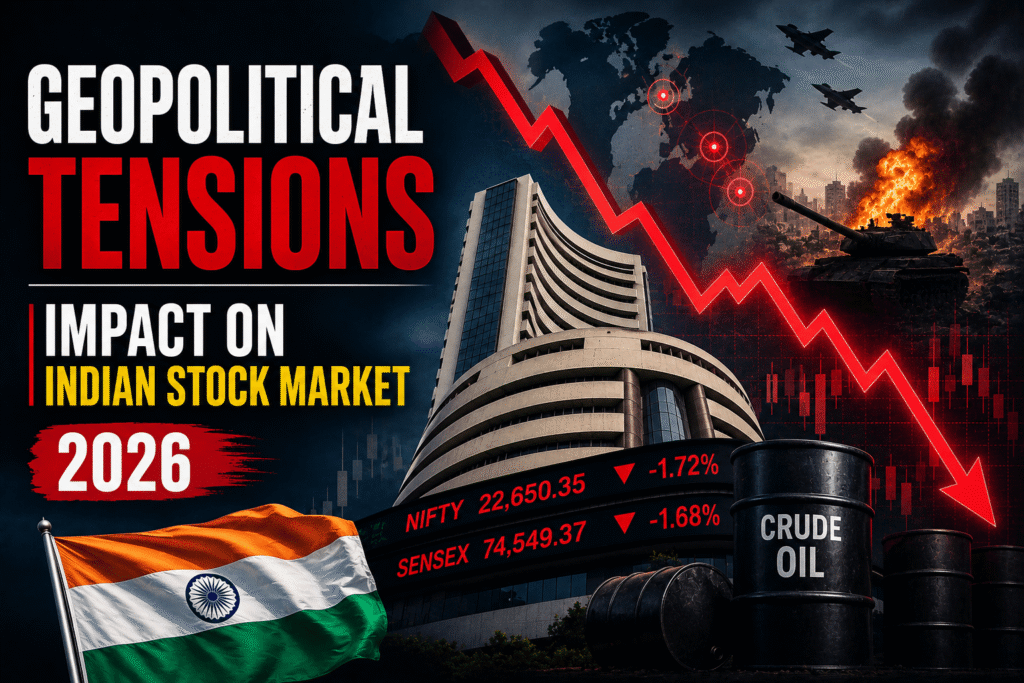
India’s equity markets, including indices like the Nifty 50, often experience:
- Sharp short-term corrections
- Sector rotation
- Defensive buying in FMCG & pharma
- Volatility in oil-sensitive sectors
Energy companies may benefit, but oil marketing firms, paint manufacturers, airlines, and logistics companies often face margin compression.
5️⃣ Fiscal Stress and Policy Response

The government faces trade-offs:
- Reduce fuel taxes → protect consumers but lose revenue
- Maintain taxes → risk inflation backlash
In prolonged crises, fiscal deficit pressures can rise.
III. Structural Global Risks If Conflict Escalates
If tensions escalate significantly, three major risks emerge:
1️⃣ Sustained Oil Above $110–120
Would significantly hurt global growth.
2️⃣ Supply Chain Disruptions
Shipping insurance premiums and rerouting increase global trade costs.
3️⃣ Geopolitical Fragmentation
Energy blocs may deepen — accelerating de-dollarization efforts and trade realignments.
IV. Personal Finance Strategy During Geopolitical Economic Shocks

When macro instability rises, individuals must shift from aggressive growth to strategic resilience.
1️⃣ Strengthen Liquidity Buffer
Increase emergency fund to:
- 6 months of expenses (preferably)
- Park in liquid funds or high-yield savings
- Avoid locking liquidity in volatile assets
Inflation reduces purchasing power — liquidity preserves flexibility.
2️⃣ Diversify Across Asset Classes
A resilient allocation during geopolitical stress may include:
- Domestic equity (large cap bias)
- Gold or gold ETFs (hedge against crisis & inflation)
- Debt instruments (short-duration to manage rate risk)
- Limited international diversification
Gold historically performs well during geopolitical uncertainty.
3️⃣ Avoid Panic Selling
Markets overreact in the short term.
History shows that geopolitical corrections:
- Are sharp
- But often temporary (unless conflict becomes prolonged)
Investors with long-term goals (retirement, education, wealth creation) should avoid emotional decisions.
4️⃣ Reduce High-Interest Debt
In high inflation or rate environments:
- Credit card debt becomes more expensive
- Floating rate loans may rise
Debt reduction equals guaranteed risk-free returns.
5️⃣ Budget for Fuel and Utility Inflation
Plan for:
- 10–15% possible rise in fuel-related expenses
- Higher transport and food costs
Adjust discretionary spending early rather than reacting later.
6️⃣ Protect Income Stability
During global slowdown risks:
- Strengthen professional skills
- Diversify income sources
- Maintain employability resilience
Economic shocks often impact jobs before markets recover.
V. The Bigger Insight: Crisis Is a Stress Test
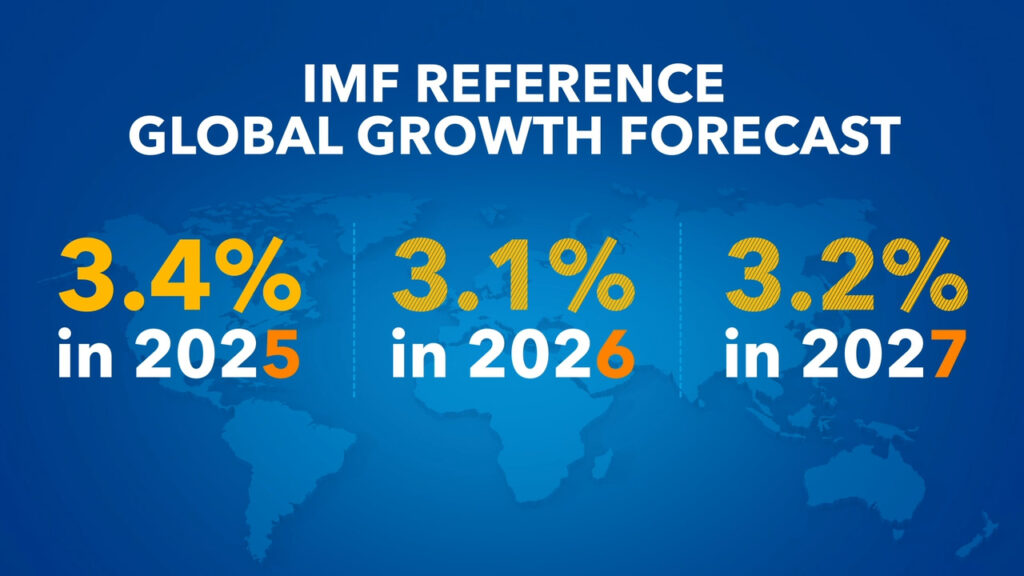
The US–Iran conflict is not merely a geopolitical event — it is a stress test of economic systems:
- Energy security
- Fiscal discipline
- Currency stability
- Household financial planning
For policymakers, it tests macroeconomic resilience.
For investors, it tests discipline.
For individuals, it tests preparedness.
Final Perspective

India’s long-term growth fundamentals remain strong:
- Demographics
- Digital infrastructure
- Manufacturing expansion
- Domestic demand strength
However, in the short to medium term, energy-driven external shocks can create volatility.
The key lesson:
Wealth is not built by predicting crises.
It is preserved and grown by preparing for them.

Graduated from Utkal University and worked with Government of India for more than 12 years as Development Officer (Department of Posts), wherein dealt with financial literacy & financial inclusion and mainstreaming of marginalized section of the society. Later got selected to Odisha Civil Services, 2021 and allotted Odisha Labour Service Cadre and now working under Labour Directorate, Odisha and posted in Nayagarh District of Odisha. Wherein dealing with enforcement of Labour Laws, Conciliation of Industrial and wage related disputes , monitoring the welfare of the working class, promoting healthy industrial relation etc.
View All Articles
Very crisp and consise article, cattering to broader financial outlook, looking forward to more such articles
Thank You, happy to help you.
Good work, as an Indian we should support the Government during this crisis
Thank You, Keep listening.