Different Asset Classes to Own to Be Wealthy in 2026

Building wealth in 2026 requires a deep understanding of how different asset classes behave across economic cycles, inflation regimes, and technological shifts. No single investment consistently outperforms in every environment, which is why successful investors rely on diversification across multiple asset classes.
Each asset class serves a distinct purpose—some drive growth, others preserve capital, while a few provide income or hedge against uncertainty. Understanding these roles, along with historical performance patterns, is essential for constructing a resilient portfolio.
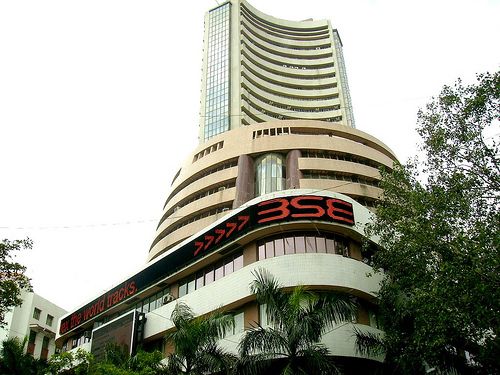
Equities, commonly known as stocks, have historically been the most powerful engine for long-term wealth creation. When you invest in equities, you are essentially buying ownership in a company and participating in its growth, profitability, and innovation. Over nearly a century of financial market data, equities—particularly broad market indices like the S&P 500—have delivered average annual returns of around 9–10%. This impressive performance is driven by economic expansion, rising corporate earnings, and continuous innovation across industries such as technology, healthcare, and energy.
Stocks tend to perform best during periods of economic growth, low interest rates, and high productivity gains. However, these returns do not come without risk. Equity markets are inherently volatile, often experiencing sharp drawdowns during financial crises, recessions, or geopolitical shocks. It is not uncommon for markets to fall 30–50% during severe downturns, which can test an investor’s discipline and emotional resilience. Despite this, investors who remain patient and stay invested over long periods are typically rewarded through the power of compounding. The key to success in equities lies not in timing the market but in time spent in the market, supported by diversification across sectors and geographies.

Fixed income instruments, primarily bonds, play a fundamentally different role in a portfolio. Unlike equities, bonds represent loans made to governments or corporations in exchange for periodic interest payments and the return of principal at maturity. Historically, bonds have delivered moderate returns, averaging around 4–5% annually over long periods. Their primary appeal lies in stability and predictability rather than high growth.
Bonds tend to perform well during economic slowdowns or periods of declining interest rates, as falling rates increase the value of existing bonds with higher yields. They also serve as a cushion during equity market downturns, helping to reduce overall portfolio volatility. However, bonds are not without risks. Rising interest rates can lead to capital losses, and inflation can erode the real value of fixed interest payments. Additionally, there is credit risk associated with corporate bonds, where issuers may default on their obligations. Despite these drawbacks, bonds remain an essential component of a well-balanced portfolio, particularly for conservative investors or those nearing retirement who prioritize capital preservation and steady income.

Real estate has long been considered a cornerstone of wealth accumulation, offering both income and capital appreciation. This asset class includes residential properties, commercial real estate, and indirect investments such as Real Estate Investment Trusts (REITs). Historically, real estate has generated annual returns in the range of 4–6%, depending on location, leverage, and market conditions.
One of the key advantages of real estate is its ability to generate passive income through rental yields while also benefiting from long-term price appreciation driven by urbanization, population growth, and economic development. Real estate tends to perform well in inflationary environments, as both property values and rental incomes often rise with inflation. However, investing in real estate comes with significant challenges.
It requires substantial initial capital, involves ongoing maintenance and management costs, and is relatively illiquid compared to financial assets like stocks and bonds. Additionally, real estate markets are sensitive to interest rate changes, as higher borrowing costs can reduce demand and suppress property prices. Despite these limitations, real estate remains a valuable asset for investors seeking income generation and diversification.

Gold and other precious metals occupy a unique position in the investment landscape. Unlike equities or bonds, gold does not produce income or cash flows. Instead, it derives its value from its historical role as a store of value and a hedge against economic uncertainty.
Over the long term, gold has delivered returns of approximately 5–6% annually, although its performance is highly cyclical. Gold tends to perform best during periods of high inflation, currency depreciation, and geopolitical instability, when investors seek safe-haven assets. For example, during times of financial crisis or market stress, gold prices often rise as confidence in traditional financial systems declines. However, gold can also experience prolonged periods of stagnation, particularly during strong economic growth phases when equities outperform. Another limitation is the absence of income generation, which means investors rely solely on price appreciation for returns. Despite these drawbacks, gold plays a crucial role in portfolio diversification by reducing overall risk and providing protection during extreme market conditions.
Crypto-currencies and digital assets represent one of the newest and most controversial asset classes. Built on blockchain technology, assets like Bitcoin and Ethereum have gained significant attention for their potential to disrupt traditional financial systems. While the historical data for cryptocurrencies is limited compared to other asset classes, their short-term performance has been extraordinary, with periods of rapid price appreciation followed by equally dramatic declines. This extreme volatility makes cryptocurrencies both highly attractive and highly risky. Their value is driven by factors such as adoption rates, regulatory developments, technological advancements, and market sentiment.
Cryptocurrencies tend to perform well in liquidity-rich environments where investors are willing to take on higher risk. However, they are also subject to regulatory uncertainty, security risks, and speculative bubbles. For these reasons, cryptocurrencies are generally considered a high-risk, high-reward component of a portfolio and should be allocated cautiously, typically as a small percentage of total investments.

Commodities, which include raw materials such as oil, natural gas, metals, and agricultural products, offer another layer of diversification. Unlike financial assets, commodities derive their value from physical supply and demand dynamics. Historically, commodity returns have been highly cyclical, with periods of strong performance followed by long stretches of underperformance. Commodities tend to perform best during inflationary periods, supply shortages, or geopolitical disruptions that affect production and distribution. For instance, energy prices often surge during geopolitical conflicts or supply constraints, while agricultural commodities may be influenced by weather conditions and global demand. However, commodities do not generate income and can be highly volatile, making them less suitable as core long-term investments. Instead, they are often used as tactical allocations to hedge against inflation and diversify portfolio risk.

Cash and cash equivalents, including savings accounts, fixed deposits, and treasury bills, are the most conservative asset class. Historically, cash has delivered returns of around 3–4% annually, which is typically lower than inflation over the long term. As a result, cash is not suitable for wealth creation but serves an important strategic purpose. It provides liquidity, safety, and flexibility, allowing investors to meet short-term needs and take advantage of investment opportunities during market downturns. Cash performs best during periods of high interest rates or market uncertainty, where preserving capital becomes a priority. However, holding excessive cash can lead to a gradual erosion of purchasing power due to inflation. Therefore, while cash is essential for financial stability, it should be managed carefully to avoid undermining long-term wealth goals.

Alternative investments encompass a broad range of assets outside traditional categories, including private equity, venture capital, hedge funds, and collectibles such as art and antiques. These investments often offer the potential for higher returns, with private equity historically delivering annual returns of around 10% or more. The appeal of alternative investments lies in their low correlation with public markets, which can enhance diversification and reduce overall portfolio volatility. However, they come with significant challenges, including illiquidity, high fees, limited transparency, and the need for specialized knowledge. Access to these investments is also often restricted to high-net-worth individuals or institutional investors. Despite these barriers, alternative investments can play a valuable role in a diversified portfolio for those who have the resources and expertise to navigate them.

Conclusion, the path to wealth in 2026 is not about finding a single winning asset class but about understanding how different assets complement each other. Equities provide growth, bonds offer stability, real estate generates income, gold protects against uncertainty, crypto-currencies add high-risk upside, commodities hedge against inflation, cash ensures liquidity, and alternatives enhance diversification. Historical performance clearly shows that each asset class has its own cycle of outperformance and underperformance. The most successful investors are those who build diversified portfolios, remain disciplined during market fluctuations, and stay committed to long-term financial goals. Ultimately, wealth is not created by chasing trends but by consistently applying sound investment principles over time.

Graduated from Utkal University and worked with Government of India for more than 12 years as Development Officer (Department of Posts), wherein dealt with financial literacy & financial inclusion and mainstreaming of marginalized section of the society. Later got selected to Odisha Civil Services, 2021 and allotted Odisha Labour Service Cadre and now working under Labour Directorate, Odisha and posted in Nayagarh District of Odisha. Wherein dealing with enforcement of Labour Laws, Conciliation of Industrial and wage related disputes , monitoring the welfare of the working class, promoting healthy industrial relation etc.
View All Articles
Your article is good, need to be more pictographic
Thank you for your response, we will definitely work in it.
Sir, Gold price has already climbed up, do you think it is right time to invest in Gold Now..
Currently the market is in volatile phase and gold has already moved up, the better strategy will be just wait and watch, fresh buying is not looking so promising.